 By Endocrine Society Staff
The Society is proud to have recently launched its Diabetes Special Interest Group (SIG), a new professional home for the many members who research and treat this chronic metabolic disease.
The Diabetes SIG joins our family of 12 other SIGs that cover a wide range of endocrine topics.
Like the other groups, the Diabetes SIG is designed to connect endocrinologists, researchers, educators, and trainees who are committed to advancing research, prevention, and patient care on this topic. Members will collaborate to share knowledge, discuss emerging developments, build professional networks, and explore innovations that improve outcomes for people living with diabetes.
Below are excerpts of interviews with the five Diabetes SIG leaders.
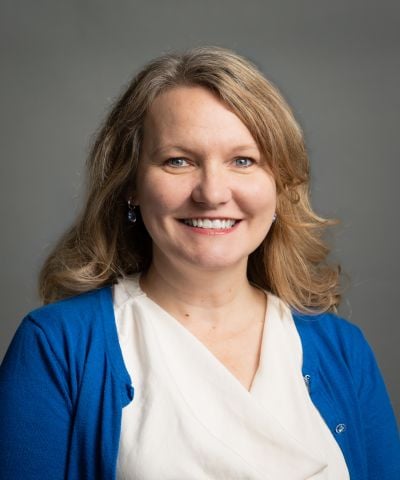 Dawn Davis, MD, PhD, University of Wisconsin School of Medicine and Public Health
What makes you excited for this SIG?
Lots of things make me excited about this. We have always had a good representation of physician-scientists and clinician-scientists in the diabetes space. But I think we've had less engagement with the basic science members.
I think that those folks can benefit from a special interest group like this to connect with people who are more involved in clinical research in the diabetes space, and connect with the folks in the obesity space, and in the early development space. All of these things are impacted by diabetes, and I think this type of group can not only bring in new interests and new members and give people a home to really share their expertise, but also can allow us to identify new collaborations and connections that they wouldn't have otherwise had.
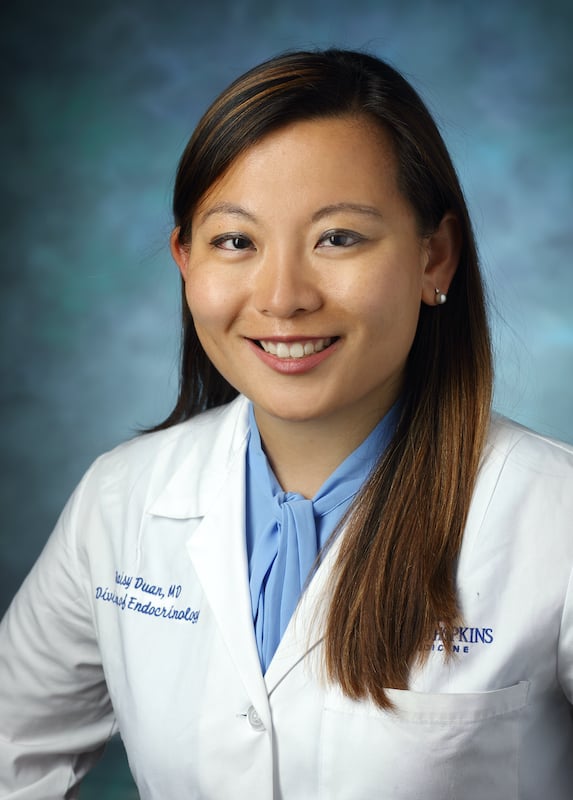 Daisy Duan, MD, Johns Hopkins School of Medicine
What impact do you hope that the SIG will have on patient science and the profession?
I hope that the Diabetes SIG will bring together clinicians, researchers, patients, and patient advocates around this shared mission of really improving the lives of our patients with diabetes. When these groups connect, new ideas come out of it, and that's how we can lead the conversation on the future of diabetes care and science.
And let's be honest, I think endocrinologists love to nerd out about new studies and science that can transform guidelines and really improve the lives of our patients. And I think this is the place to do that together and move the field forward.
Who should consider joining the Diabetes SIG?
Anyone with an interest in diabetes, or even if you're curious about it. That can include people already taking care of patients with diabetes, people doing research with diabetes, or anyone just curious about the field. And myself, I'm an early career to mid-career member, so I especially encourage early and mid-career members to join because it’s a great place to network, to meet people across the entire landscape and at different, levels of their career, learn from each other, and share our enthusiasm for the field.
 Heba Ismail, MD, Indiana University School of Medicine
Who should consider joining this SIG?
Diabetes is multidisciplinary, so I think anyone in that field—whether it's clinicians, researchers, diabetes educators, dietitians, social workers—anyone in that field should consider joining, because it is a disease or a condition that requires multidisciplinary care.
The Endocrine Society is especially strong in advocating for patients, for funding, for researchers. I think there will be a lot of movement in that direction as well for diabetes researchers and patients.
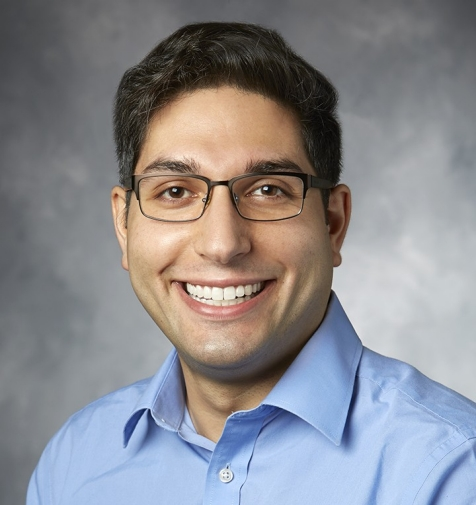 Rayhan Lal, MD, Stanford University School of Medicine
What kind of conversations do you want to see happen in this SIG?
There are a lot of issues in diabetes right now, and inequities probably top the charts in diabetes care. All of this technology exists, but disseminating it is the challenge, and disseminating it—especially to places that don't have access to CGMs, pumps, other technology—is a true challenge.
We as a society have to come together and look out for the needs of everyone living with diabetes. I think as we get beta cell-preserving therapies that cost six figures, we have to make sure that they get disseminated to everyone, and not just the 1 percent.
I think a big emerging field will center on the increasing number of biosensors and data that don’t quite fit the mold of HIPAA. We will have to make decisions about diabetes data rights, and actually the rights of all data coming off of biosensors. To me, as a person who lives with a sensor wire in their arm, I feel the data should belong to me. But there are those who would debate that.
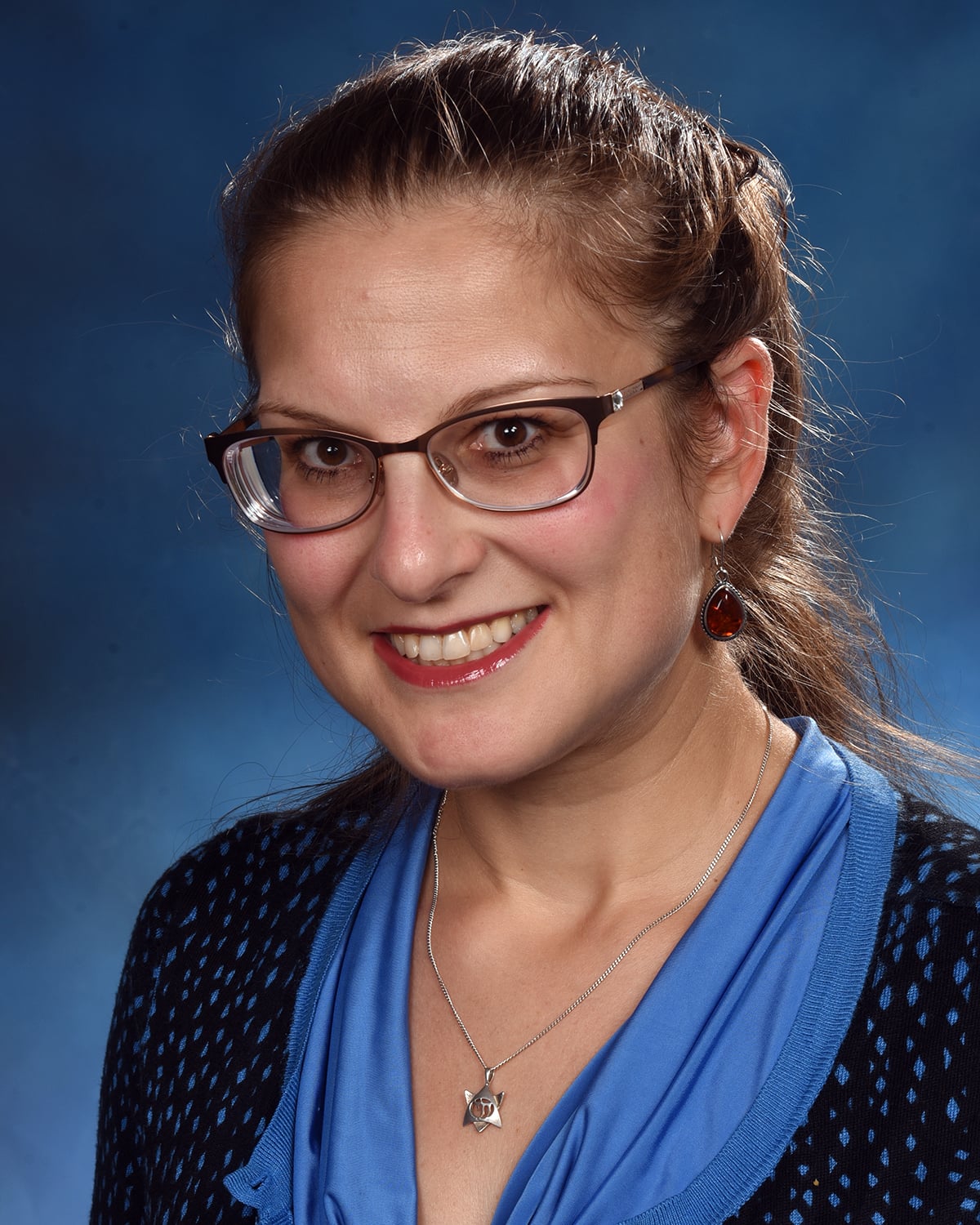 Rozalina McCoy, MD MS, University of Maryland School of Medicine
Who should consider joining this SIG?
This SIG gives us all a home: for adult and pediatric endocrinologists, for clinicians and researchers, for people at every career stage, and for really all members of the endocrine diabetes care team. Because improving the lives of people with diabetes takes a village, and I'm excited that this village can have a welcoming and thriving home in Endocrine Society.
Diabetes care crosses many boundaries, right? It spans education, clinical practice, research, administration, policy, and advocacy, and goes from academia to private practice, to industry, to government. It covers endocrinology, but also primary care, and almost every medical and surgical subspecialty.
But although we all care deeply about diabetes, our paths rarely intersect. Since meaningfully addressing a problem like diabetes needs all of us to really come together, I think bringing our unique perspectives, experiences, skill sets, and expertise is important. I'm hoping that the SIG gives us a shared space to do just that.
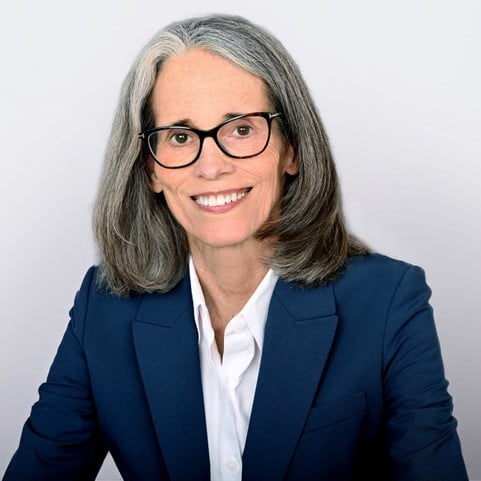 Ann Peters, MD, Keck School of Medicine, University of Southern California
What impact do you hope the SIG will have on patients, science, or the profession?
I think it will have an impact in all areas. I'm primarily a clinician, and I really want to do what's best for the patient, and I think the more interaction we all have with colleagues with different perspectives, with different ideas, allows us to be better clinicians.
It's important to have a forum where we can train younger people, people who are mid-career, early career, who want to connect.
There's a lot to be done in the field of diabetes and within that, endocrinology. This SIG expands our reach, expands our potential, and hopefully opens it up to more young people, because I really love to mentor young people who want to further their careers.
For more information and to join, please visit the Diabetes SIG.