|
Join us in accelerating research and advancing treatment for the more than 1 billion people worldwide living with obesity. |
|
BREAKING NEWS: Endocrine Society releases Scientific Statement on what's next in obesity science. COMING SOON: Clinical Practice Guideline (CPG) on Pharmacologic Management of Obesity (coming 2027) |

Medicare Bridge Program: In July, the Centers for Medicare and Medicaid Services (CMS) launched the Medicare Bridge Program, which provides eligible Medicare beneficiaries with access to certain GLP-1 medications. The Society has additional information and resources about this new program.

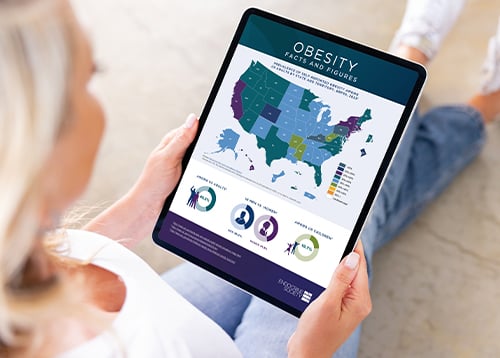
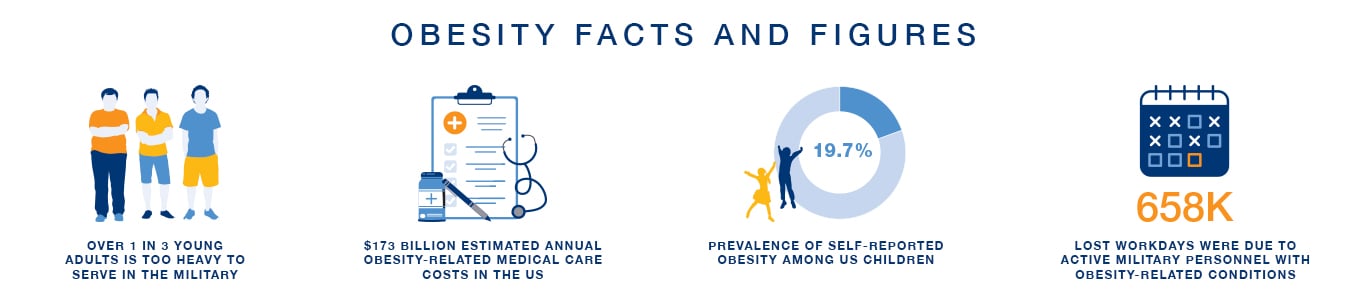
The Obesity Playbook (Updated September 2026) includes up-to-date facts and figures, state of the science, policy recommendations, and a list of Endocrine Society members who are experts in the field of obesity.

From Journal of the Endocrine Society (October 2026): "Emerging data has identified a potential association between glucagon-like peptide-1 receptor agonists (GLP-1RAs) and nonarteritic anterior ischemic optic neuropathy (NAION), a typically sudden, painless, and irreversible cause of optic nerve-mediated vision loss. This review synthesizes the current clinical, epidemiologic, and potential mechanism linking GLP-1RA–based therapies to NAION risk, informing balanced risk assessment and interdisciplinary clinical decision-making."
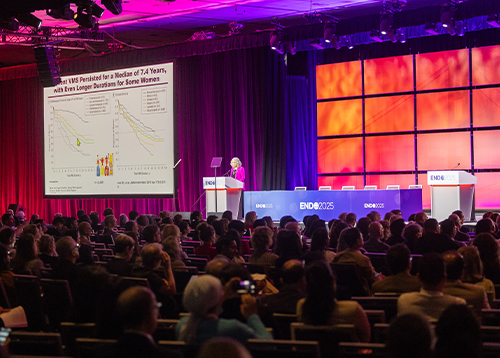
Daniel J. Drucker, MD, who led the Scientific Statement writing group, discusses how the research roadmap will help guide obesity research into the future during our Center on Obesity virtual news conference.
Research & Publications
 FDA Requires Safety Labeling Changes for GLP-1 RAs Due to Potential Increased Risk of Rare But Serious Eye Condition | Endocrine News
Interview with Obesity Fellows Program alumnus Sehrish Waheed, MD | Endocrine News
Endocrine Society Scientific Statement Provides Research Roadmap for What’s Next in Obesity Science. | Endocrine News
(Thematic Issue) Obesity and Metabolic Health |The Journal of Clinical Endocrinology & Metabolism, Endocrinology, Journal of the Endocrine Society, JCEM Case Reports, and Endocrine Reviews
The important role of comorbidities in the management of obesity | JES
Loss of the calorie restriction response protein DEPP1 worsens diet-induced obesity | Endocrinology
Epigenetics and childhood obesity: DNA methylation coordinates environment and gene regulation | Endocrine Reviews
A New EHR-Based Measure Could Improve Population Health Outcomes | Endocrine News
Advocacy & Community
 The Obesity Playbook (Updated September 2026) includes up-to-date facts and figures, state of the science, policy recommendations, and a list of Endocrine Society members who are experts in the field of obesity..
Obesity Special Interest Group (SIG): Members interested in obesity education, research, networking activities, and more.
OMB Federal Assistance Rule Advocacy Campaign: Protect obesity research funding from OMB Proposed Rule.
 ENDO 2026 Session Recordings: Include 15 programs on obesity and adipose tissue.
2026 Obesity Fellows Program: Educational content from the program, including an open-access accredited on-demand course, will be available in December 2026 for endocrinologists and other healthcare professionals interested in obesity care.
Two Generations, One Challenge: Confronting Obesity in Pregnancy and Childhood's Metabolic Outcomes: Virtual webinar.
Reprogrammed by Chemicals: The Epigenetic Link Between Environmental Exposure and Obesity: Member-only webinar sponsored by the Society’s Obesity and EDCs Special Interest Groups.
 ENDO 2026 Research: Step Counts Drop Among GLP-1 Users: People who lost weight with GLP-1 anti-obesity medications tended to log fewer daily steps, according to an analysis of the National Institutes of Health’s All of Us Research Program data.
Podcast on postbariatric surgery hypoglycemia: Discussion of a recent JES article reporting results from a Phase 2, single-dose trial of an SGLT1 inhibitor for post-bariatric hypoglycemia. | Endocrine Feedback Loop.
ENDO 2026 Research: Tirzepatide May Affect Body’s Energy Use: The anti-obesity medication tirzepatide activates brown adipose tissue, according to research presented at ENDO 2026. Researcher Rok Herman, MD, discusses the results.
Taste Changes with Semaglutide: Endocrine Feedback Loop podcast examining whether semaglutide alters taste recognition, tongue gene expression, and brain responses to food-related cues.
Step Counts Decline Among GLP-1 Users ENDO 2026 video of researcher discussing findings that people who lost weight with GLP-1 anti-obesity medications tended to log fewer daily steps.
Funding for the Center on Obesity was provided in part through support by Eli Lilly and Company.

 We are at the forefront of research and clinical practice using new hormone-based therapies, including GLP-1 based medications, to treat obesity and related medical problems.