EFL073
.jpg?w=2580&hash=11E60DD1FE41C1DD311406AD77D8DE37)
For our 73rd episode and the start of the seventh season, we review a recent study examining the long-term anti-fracture efficacy of infrequent zoledronate dosing in women with osteopenia. While current clinical approaches typically focus on treating individuals at higher fracture risk, this study explores whether earlier intervention in lower-risk populations may help reduce fracture risk over time.
This secondary analysis of a randomized clinical trial evaluates the effects of zoledronate administered at extended intervals, with outcomes assessed over a 10-year period. The findings suggest that infrequent dosing may be associated with meaningful reductions in vertebral, major osteoporotic, and overall fracture risk, particularly in the later years of follow-up. The study also examines how fracture risk relates to baseline risk factors and changes in bone mineral density, raising questions about the role of routine monitoring and the timing of preventive therapy.
Host Chase Hendrickson, MD, MPH, MHCC, from Vanderbilt University, talks with regular contributor Amal Shibli Rahhal, MD, from the University of Iowa, and guest expert Thomas Weber, MD, from Duke Health. Together, they discuss “Anti-fracture efficacy of 5 or 10 yearly zoledronate in women aged 50 to 60 years,” published in the April 2026 issue of JCEM, and consider how these findings may inform decisions around early treatment strategies, risk assessment, and long-term fracture prevention in clinical practice.

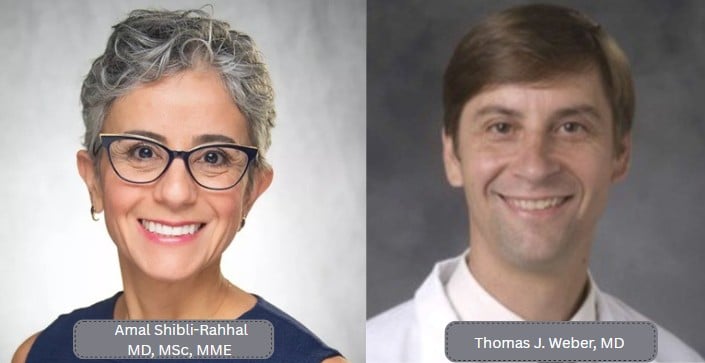
Regular Contributor
Amal Shibli-Rahhal, MD MSc MME
University of Iowa
Amal Shibli-Rahhal, MD, MSc, MME, received her medical degree from the American University of Beirut and completed her post-graduate training in internal medicine and endocrinology at the University of Iowa. Dr. Shibli-Rahhal is a professor and endocrinologist at the University of Iowa, where she also acts as the Associate Dean for Student Affairs and Curriculum at the University of Iowa Carver College of Medicine. Previously, Dr. Shibli-Rahhal acted as Endocrinology Fellowship Program Director, preclinical Course Director for the College of Medicine, and Associate Chief of Staff for Education at the Iowa City VA. In addition to her role as program director, Dr. Shibli-Rahhal also created and serves as director of the University of Iowa Metabolic Bone Clinic.
Guest Expert
Thomas J. Weber, MD
Duke University Medical Center
Thomas J. Weber, MD is a Professor of Medicine at Duke University Medical Center, where he is Medical Director of the Duke Clinical Bone Laboratory, and a Clinical Investigator in the Clinical Research Training Program of the Duke University School of Medicine. He is a past Chair of the Endocrinologic and Metabolic Drugs Advisory Committee (EMDAC) of the FDA and currently an ad hoc member of the same committee, and Co-Chair of the Peer Review Committee for the Endocrine Society Self Assessment Program (ESAP). Dr. Weber is also an editorial board member of JBMR Plus and JCEM Case Reports. Dr. Weber attended the University of Chicago-Pritzker medical school, and thereafter completed his internship and residency training in Internal Medicine at Yale-New Haven Hospital and a research fellowship in Endocrinology at Duke University Medical Center. His research focuses on metabolic bone disease more broadly, including the hypophosphatemic, osteomalacic disorders X-linked hypophosphatemic rickets (XLH) and tumor-induced osteomalacia, as well as clinical and translational studies of osteoporosis and primary hyperparathyroidism.
 Chase Hendrickson, MD, MPH, MMHC, practices general endocrinology at the Vanderbilt University Medical Center, where he is an associate program director for the endocrinology fellowship program. His interests include endocrine education, teaching inferential methods, and quality improvement.
Fnd us on the following streaming services: